
Mercedes-Benz vehicles are recognised for their refined performance, advanced engineering, and comfortable driving experience. Maintaining these qualities requires regular servicing, particularly as vehicles accumulate mileage and encounter everyday wear. Service A is an important part of the manufacturer’s maintenance programme, helping owners protect their engines and identify developing concerns before they become expensive problems.
For drivers researching Mercedes Benz Service A Pinner, understanding the servicing process, essential maintenance tasks, and differences between scheduled services can make vehicle ownership more manageable. Proper maintenance supports reliability, efficiency, and the continued enjoyment of driving a Mercedes-Benz.
Understanding Mercedes-Benz Service A
Service A is a scheduled maintenance appointment focusing on essential vehicle checks and routine servicing. It forms part of the manufacturer’s alternating Service A and Service B maintenance programme.
The service generally involves replacing engine oil and the oil filter, checking fluid levels, inspecting braking components, assessing tyre condition, and resetting the maintenance indicator.
However, requirements differ according to vehicle model, engine configuration, mileage, age, and service history. The vehicle’s onboard maintenance system provides guidance about when servicing becomes due.
Service A should therefore follow the requirements recorded for the individual vehicle rather than relying on a universal checklist.
Why Engine Oil Replacement Matters
Engine oil plays an essential role in keeping moving components lubricated and reducing friction during operation. Mercedes-Benz engines operate under varying temperatures and driving conditions, making suitable lubrication particularly important.
Over time, oil becomes contaminated by combustion by-products and gradually loses some of its protective properties. Continuing to operate an engine with deteriorated oil can contribute to increased wear.
During Service A, technicians drain the existing oil and replace it with a product meeting the relevant Mercedes-Benz specification.
The correct oil depends on the engine and manufacturer requirements. Choosing oil based only on viscosity, without checking its approval specification, can introduce unnecessary risks.
Regular replacement supports engine protection and helps maintain consistent performance.
The Importance of Oil Filter Replacement
An oil filter removes contaminants from the engine’s lubrication circuit. These contaminants may include microscopic particles, combustion residues, and materials generated through normal engine operation.
As the filter accumulates debris, its effectiveness may decline. Replacing the filter alongside the engine oil helps ensure that fresh lubricant circulates through a clean filtration system.
Technicians must also fit the correct filter and sealing components for the particular engine.
An incorrectly fitted filter or damaged seal can cause leakage, potentially reducing oil levels and creating additional mechanical problems.
Oil and filter replacement are therefore closely connected maintenance activities.
Fluid Level Checks and Vehicle Condition
Mercedes-Benz vehicles contain several fluids that support mechanical operation, braking performance, cooling, and visibility.
Depending on the model, technicians may examine coolant, brake fluid, washer fluid, and other relevant reservoirs during scheduled maintenance.
Low fluid levels can indicate ordinary consumption, but they may also reveal leaks or developing component problems.
For example, repeated coolant loss could suggest an issue involving hoses, the radiator, or another cooling system component.
Similarly, falling brake fluid levels may require investigation rather than simply adding more fluid.
The purpose of these checks is to identify concerns early and determine whether further investigation is necessary.
Tyre Pressure and Condition Assessment
Tyres influence steering response, braking distance, fuel consumption, and passenger comfort. Maintaining suitable pressures is especially important for vehicles equipped with modern stability and traction systems.
During Service A, tyre pressures are checked against the vehicle manufacturer’s recommendations.
Technicians may also assess tread depth, sidewall condition, and visible wear patterns.
Uneven tyre wear can indicate suspension problems, incorrect inflation, or wheel alignment concerns.
Although replacing tyres is not automatically included in Service A, identifying deterioration gives owners an opportunity to address safety concerns before they worsen.
Brake System Inspection
Reliable braking depends on the condition of several interconnected components. Brake pads, discs, sensors, and hydraulic elements must operate effectively to support safe stopping.
A Service A appointment generally includes inspection of relevant braking components.
Technicians look for excessive wear, visible damage, and other indications that additional maintenance may be required.
Mercedes-Benz vehicles may also use electronic brake monitoring systems that alert drivers when certain components need attention.
These warnings should be assessed alongside physical inspection findings.
Brake fluid replacement is normally scheduled separately according to the relevant maintenance requirements and should not be assumed to be included automatically in every Service A.
Mercedes-Benz ASSYST Maintenance Reminders
Many Mercedes-Benz vehicles use an onboard maintenance system, commonly associated with ASSYST or ASSYST PLUS, to display servicing requirements.
Depending on the vehicle, the system considers maintenance intervals and relevant operating information when presenting service reminders.
Drivers may see messages indicating that Service A is due within a specified period or distance.
These notifications help owners arrange maintenance without relying entirely on manual calculations.
Following completion of the scheduled work, the service indicator can be reset using the appropriate procedure.
However, resetting the reminder alone does not demonstrate that the required maintenance has been performed.
Understanding Additional Service Items
One important consideration is that the basic Service A price may not include every maintenance item due on a vehicle.
Additional requirements can depend on age, mileage, engine type, and previous servicing.
These may include replacement of air filters, spark plugs, brake fluid, or other scheduled components where applicable.
Such items should be identified through the vehicle’s maintenance schedule rather than automatically added to every appointment.
A clear quotation should separate routine servicing from additional work.
Owners should understand the reason for each recommendation, the associated cost, and whether the item is immediately due.
This approach supports informed decisions and helps avoid unexpected expenditure.
Service A Compared with Service B
Mercedes-Benz uses Service A and Service B to organise different levels of scheduled maintenance.
Service A generally concentrates on essential maintenance and routine inspection tasks.
Service B is usually more comprehensive, incorporating additional procedures and checks specified for the vehicle.
However, the exact difference varies across models and maintenance schedules.
Neither service should be treated as a fixed package covering identical items across every Mercedes-Benz.
Understanding this distinction helps owners compare quotations and evaluate what is actually included.
Digital Service History and Record Keeping
Maintaining accurate service records is valuable throughout a vehicle’s ownership.
Many modern Mercedes-Benz vehicles use digital service history systems to record completed maintenance.
Where the service provider has appropriate access, eligible servicing can be entered into the relevant digital record.
These records help establish which maintenance tasks have been completed and when future work may be required.
They can also provide useful information for prospective buyers.
Owners should retain invoices and service documentation, including details of replacement parts, fluids, and inspection findings.
A complete record provides stronger evidence of maintenance than a reset dashboard reminder alone.
The Benefits of Specialist Equipment
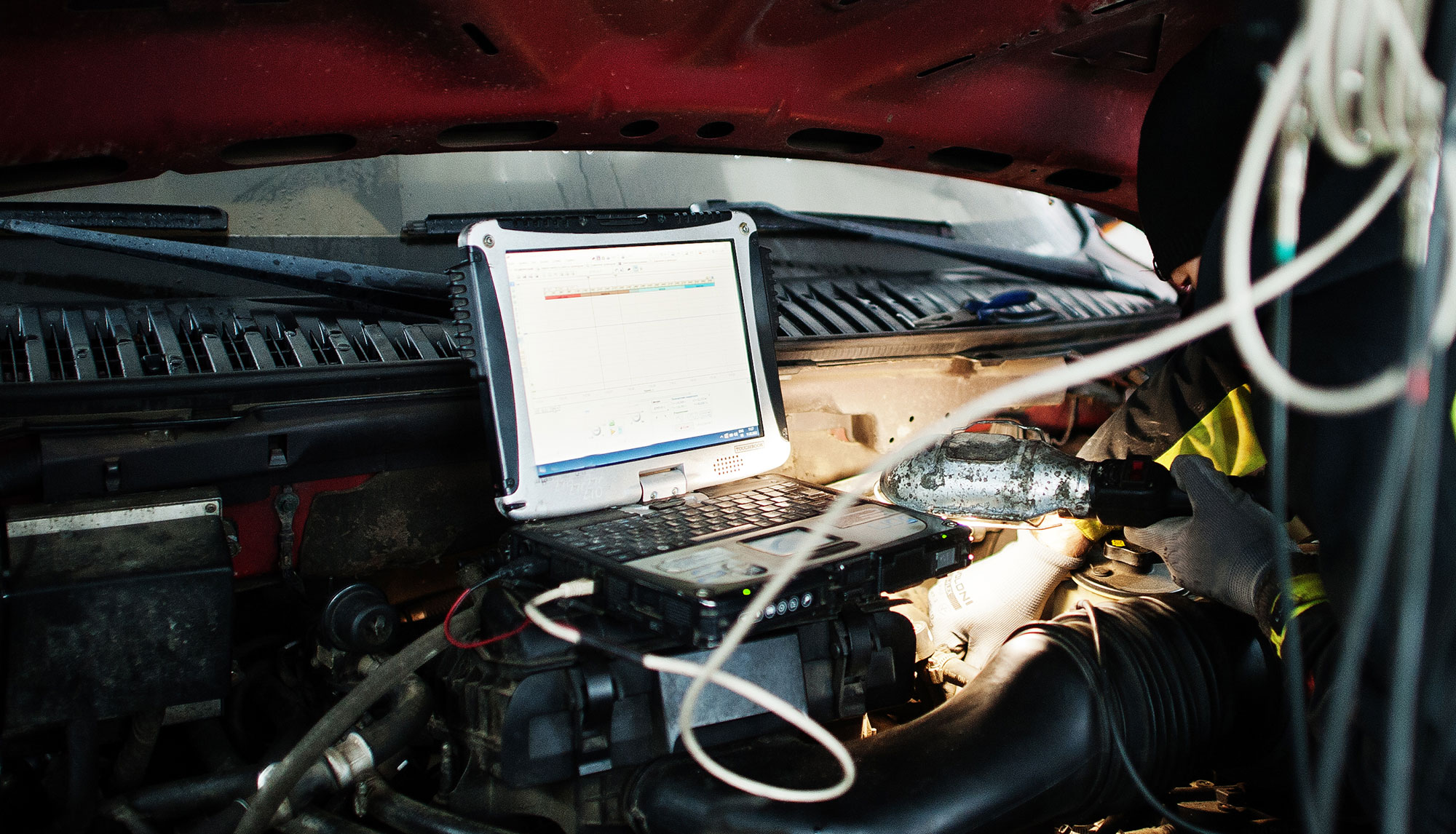
Mercedes-Benz vehicles incorporate electronic systems that may require manufacturer-specific diagnostic equipment.
Tools such as XENTRY can help technicians access relevant control units, investigate stored faults, and perform supported maintenance functions.
However, a comprehensive diagnostic scan is not necessarily included in every basic Service A package.
Owners should confirm which checks are included when comparing servicing options.
Appropriate equipment is particularly valuable when maintenance reveals an electronic issue or when a vehicle requires additional investigation.
Combining technical knowledge with suitable equipment supports a more informed servicing process.
Maintaining Long-Term Vehicle Reliability
Regular servicing helps reduce avoidable wear and supports the continued operation of important mechanical systems.
Drivers should also monitor oil levels, dashboard messages, unusual noises, and changes in vehicle behaviour between scheduled appointments.
Short journeys, demanding driving conditions, and high annual mileage can influence maintenance needs.
Following the vehicle’s actual service schedule remains more useful than assuming every Mercedes-Benz requires identical intervals.
Preventative attention can reduce disruption and help owners plan maintenance expenditure.
Conclusion
Service A remains an important part of responsible Mercedes-Benz ownership. Engine oil replacement, filtration, fluid checks, braking inspections, tyre assessments, and appropriate maintenance records all contribute to vehicle care.
For owners considering Mercedes Benz Service A Pinner, understanding the service requirements helps distinguish essential maintenance from additional recommendations.
By following manufacturer guidance, maintaining accurate records, and responding to developing concerns, drivers can support vehicle reliability, protect important components, and maintain a smoother ownership experience over time.