
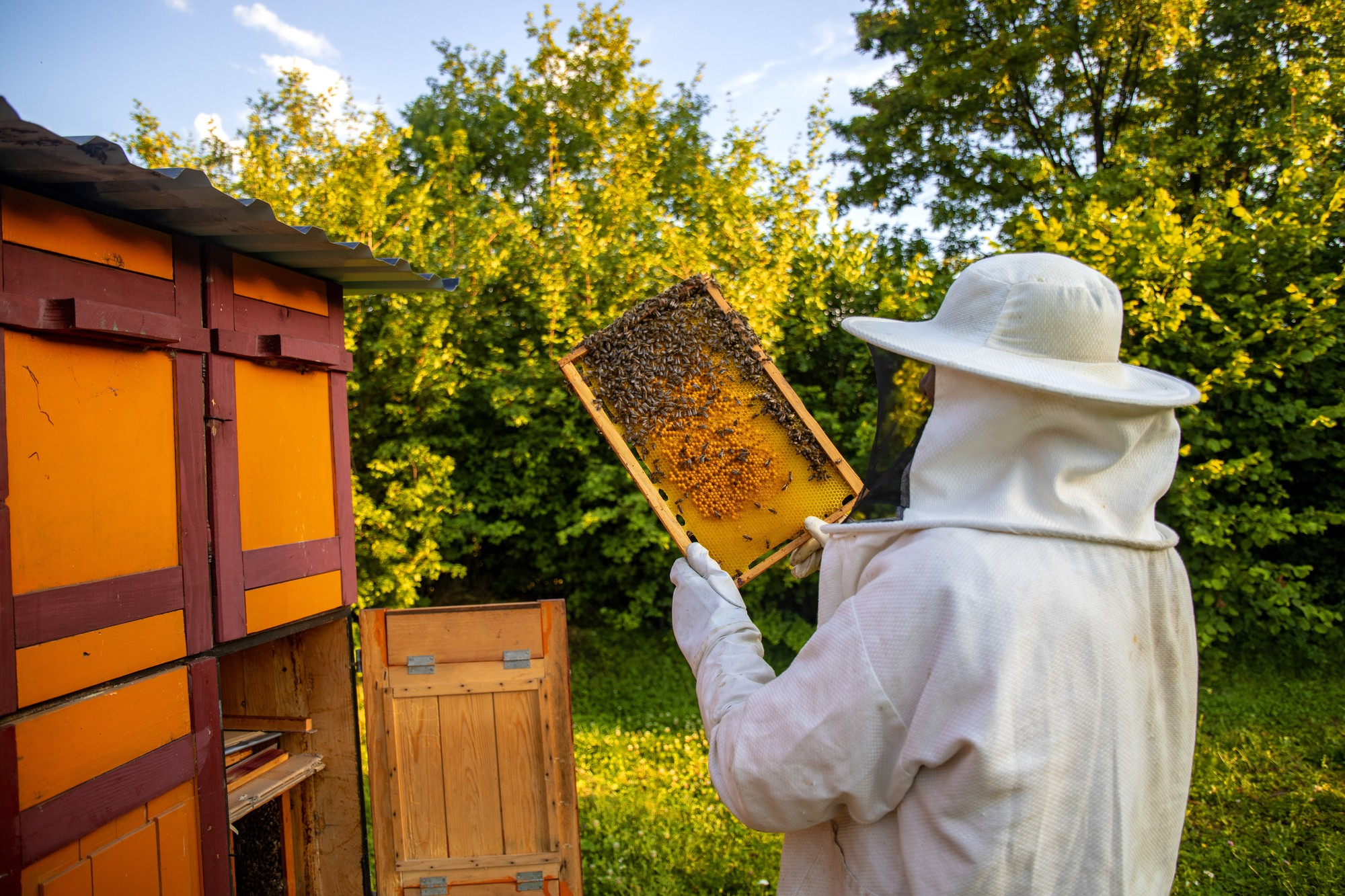
Beekeeping is a unique farming activity. People domesticate honeybees to produce honey. However, the entire process is easier said than done. Getting honey requires a mix of resources, knowledge, and patience.
Among these resources, getting the right supplies is crucial. These ensure that you stay protected, don’t commit mistakes, and finish the job with extraordinary precision.
In today’s article, we’ll discuss the 4 important supplies used throughout the process. Let’s get started.
Bee Suit
It’s one of the most important beekeeping supplies without a doubt. A bee suit is a protective garment that beekeepers wear. It protects them from stings and also reduces the spread of alarm pheromones. It covers the entire body and has thick fabric that provides a physical barrier to stop stinger stings from reaching the skin.
It also provides psychological comfort as the beekeeper will stay calm. They also won’t show heavy breathing or stress signals, as these can provoke aggressive behavior in the colony.
They always come in white or light-colored as these colors are less likely to trigger a defensive response from bees.
Man-Made Beehive
A beehive is an enclosed structure. Honey bees live, produce their food, and raise their young here. Natural beehives are made by the bees themselves, where they gather and make colonies. When a beekeeper starts producing honey, they build artificial beehives and place them at specific locations. They provide a safe, controlled environment where bees can maximize production and be monitored for colony health.
Only locations that could attract bees are chosen. Generally, plans and bamboo materials are used to make those structures.
Bee Smoker
During hive inspection, the beekeepers use a bee smoker to manage colonies. It is used to calm them so they don’t sting.
The smoke triggers a primal survival instinct in bees, which forces them to consume honey rather than defend the hive. This makes their abdomens too full to bend and sting, and the smoke simultaneously scrambles their alarm pheromones.
The smoke also affects the bees’ sense of smell, and they no longer detect the low pheromone signals from the queen bee.
Now, the beekeepers use this smoke to manage the hive and extract honey if needed.
Honey Extractor
Beekeepers use a honey extractor to efficiently harvest honey from beehives. It also preserves the delicate wax comb and keeps it intact.
Bees usually consume 6-8 pounds of honey just to produce a single pound of beeswax. Since the extractor doesn’t destroy the comb, the colony saves a huge amount of energy and time. Now, bees can redirect this energy entirely toward producing more honey.
The traditional methods of extracting, like melting the comb or crushing, don’t yield enough usable honey. But honey extractors yield far more usable honey and a cleaner product.
It’s definitely important equipment that almost every beekeeper uses.
Final Thoughts
If you’re also thinking about beekeeping, the supplies we’ve mentioned above must be a part of your arsenal. You’ll get the job done more quickly and efficiently this way.