
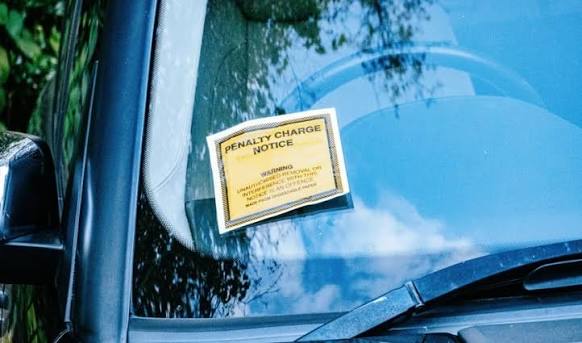
Before challenging a UK private parking charge, identify the issuer and preserve the evidence showing why the demand is wrong. A private Parking Charge Notice is not the same as a council Penalty Charge Notice, even though both use PCN. I would check the nation, land and appeal route before copying a template or making admissions.
1. Identify the UK private parking charge and operator
Check the vehicle registration, location, alleged event and issuing business. Establish whether the demand comes from a private operator, a council or another authority. That determines the procedure.
Verify the operator’s contact details independently. A threatening format does not make a private charge an official fine. Equally, calling it an invoice does not mean it can safely be ignored: an enforceable parking contract can lead to a civil claim.
2. Save dates and understand the payment choice
Record the event date, issue date, delivery date and each payment or appeal deadline. Keep the envelope where relevant. Discounts and appeal windows are different deadlines, and you should establish what happens to the discount while challenging.
Citizens Advice says paying normally ends the opportunity to appeal. Rather than treating Trade Mirror as authority for the deadline, use the notice and a written response from the operator. If you intend to dispute the charge, read the process before paying simply to stop letters.
3. Compare the signs with what allegedly happened
Photograph the entrance, relevant bays, payment instructions and terms from a driver’s normal approach. Note lighting, obstructions and the wording in force when the vehicle was there.
Read the actual restriction: overstaying, no payment and failing to register a number are different allegations. Camera entry and exit timestamps are not necessarily the precise period spent parked. Explain any queue or repeated visits with supporting evidence rather than asserting the camera must be wrong.
4. Collect transaction and permission evidence
Retain parking tickets, app confirmations, payment records and any permit or landowner permission. A payment recorded against the wrong registration needs the original confirmation, not a reconstructed claim that money probably went through.
For a breakdown or delayed appointment, preserve relevant records. Ask the landowner, shop or hospital whether it can cancel the charge, but keep the operator’s appeal deadline in view.
General reading on Capital Outlook is separate from your evidence of payment and permission. A landowner’s request and a confirmed cancellation are different stages, so obtain the final written outcome.
5. Check the role and keeper-liability rules
In England and Wales, Schedule 4 of the Protection of Freedoms Act can allow recovery from a keeper only when its conditions are met. Relevant land, notice wording, timing and evidence all matter.
For postal notices without an earlier notice to the driver, the statutory keeper route generally requires delivery within fourteen days beginning after the parking period ended. Other notice sequences and hire vehicles use different rules.
A defect in keeper liability does not automatically eliminate the driver’s possible liability. Scotland and Northern Ireland require their own jurisdiction-specific assessment. Be accurate about your role and do not invent a driver’s identity or rely on a universal late-notice rule.
6. Use the proper appeal sequence
Challenge through the operator’s stated process first, with concise reasons and copies of evidence. Check whether the operator belongs to the British Parking Association or International Parking Community.
For participating operators, POPLA or the Independent Appeals Service may be the next route. Eligibility and deadlines differ, so use the current rejection instructions. Keep submission receipts apart from ordinary browsing such as News Notes. A complaint to a trade body is not automatically your individual appeal.
If your evidence concerns more than one visit, label each receipt and timestamp separately. A clear chronology helps distinguish a continuous stay from separate arrivals without asking the reviewer to guess.
7. Read the outcome and distinguish later documents
Compare a refusal with each factual point you raised and retain the evidence bundle. Debt collection correspondence is not itself a court judgment, but genuine court papers require a timely response.
Choose the next step from the evidence and applicable procedure, not a promise that every private charge is invalid.
This article provides general information, not personalised legal advice; licensing entitlement, vehicle safety and notice procedures depend on the facts and applicable jurisdiction.