
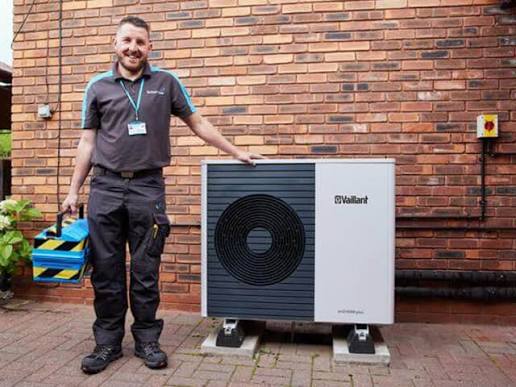
Heat pump installation costs depend on the whole heating design, not just the outdoor unit. Energy Saving Trust gives around £12,000 as a typical UK air source installation benchmark, but the actual quote can change substantially with radiators, hot water storage and electrical work. I would compare the price before grants, the confirmed grant and the amount payable separately, then examine what each includes.
1. What do heat pump installation costs include?
For an air-to-water system, expect the proposal to identify the heat pump, cylinder, controls, installation and commissioning. Ask whether removing the old system, electrical work, radiator changes, pipe insulation and making good are included. Air-to-air and ground source installations are different products with different work requirements; a cheaper headline may not describe the same heating and hot water provision.
2. Why can two quotes differ so much?
A room-by-room heat-loss assessment determines the required output and helps establish whether existing radiators can deliver it at the design temperature. A quote based only on bedroom count may miss important work. A number published through Southampton Ledger is no substitute for that survey. Ask competing installers to explain differences in design assumptions before deciding one is simply overpriced.
3. Which grants change the amount I pay?
In England and Wales, the Boiler Upgrade Scheme currently offers £7,500 for eligible air-to-water or ground source heat pumps. Until 31 March 2027, eligible oil or LPG-heated properties without a mains gas connection can receive £9,000. The scheme also offers £2,500 for eligible air-to-air installations. Scotland and Northern Ireland have different support arrangements, so these are not UK-wide entitlements.
The scheme is installer-led and requires an MCS certified installer. Ofgem says the grant should appear as an upfront discount. Ask what happens if eligibility fails or the application expires before completion. A hypothetical £12,000 installation less a £7,500 award leaves £4,500, but that arithmetic is not a promise of your final price.
4. Could radiators or electricity supply add costs?
Yes. Larger emitters, a suitable hot water cylinder, cable runs and supply-related work can alter the total. Obtain a written list of required upgrades and explain any space constraints. Brighton Update is a general website reference, not a schedule of included work. Ask which items are provisional allowances and what survey information will turn them into a fixed price.
5. What VAT treatment should the quote show?
Ofgem states that qualifying installed energy-saving materials, including heat pumps, receive 0% VAT until 31 March 2027. Ask the installer to identify the treatment applying to the complete contract, especially if associated building work is separate. Do not subtract an imagined VAT saving again from a quote that already includes the relief. Check the applicable rules if completion falls later.
6. Does a cheaper installation guarantee lower bills?
No. Running costs depend on heat demand, seasonal efficiency, flow temperatures, controls and the electricity tariff, compared with the fuel being replaced. Request annual consumption assumptions rather than a guaranteed percentage saving. A well-designed system should explain how comfort will be maintained on cold days. Installation price and operating performance are connected, but they are not the same measure.
Account for the cost of disruption as well as equipment. Ask how long heating and hot water will be unavailable, which rooms need access and whether decorating or floor repairs fall outside the contract. If groundwork or a new cylinder location is proposed, establish the finished arrangement before signing. Commissioning should include an explanation of controls and normal operating behaviour. A system that needs a different heating schedule from your old boiler should come with practical instruction, not just a handed-over manual. Budget for ongoing servicing too, so the installation comparison does not end on the day the equipment starts.
7. What should I settle before paying a deposit?
Agree the equipment, survey findings, grant responsibilities, payment stages and commissioning records. Keep any reading from Newcastle Brief outside the contract bundle unless it forms part of the actual agreement. Establish workmanship cover, manufacturer warranty and servicing expectations. I would prefer a clearly scoped proposal with realistic performance assumptions to a low net price dependent on unnamed grants or unspecified upgrades.
Costs and scheme information checked on 29 October 2026; eligibility, installed prices and tax treatment depend on the property and contract.