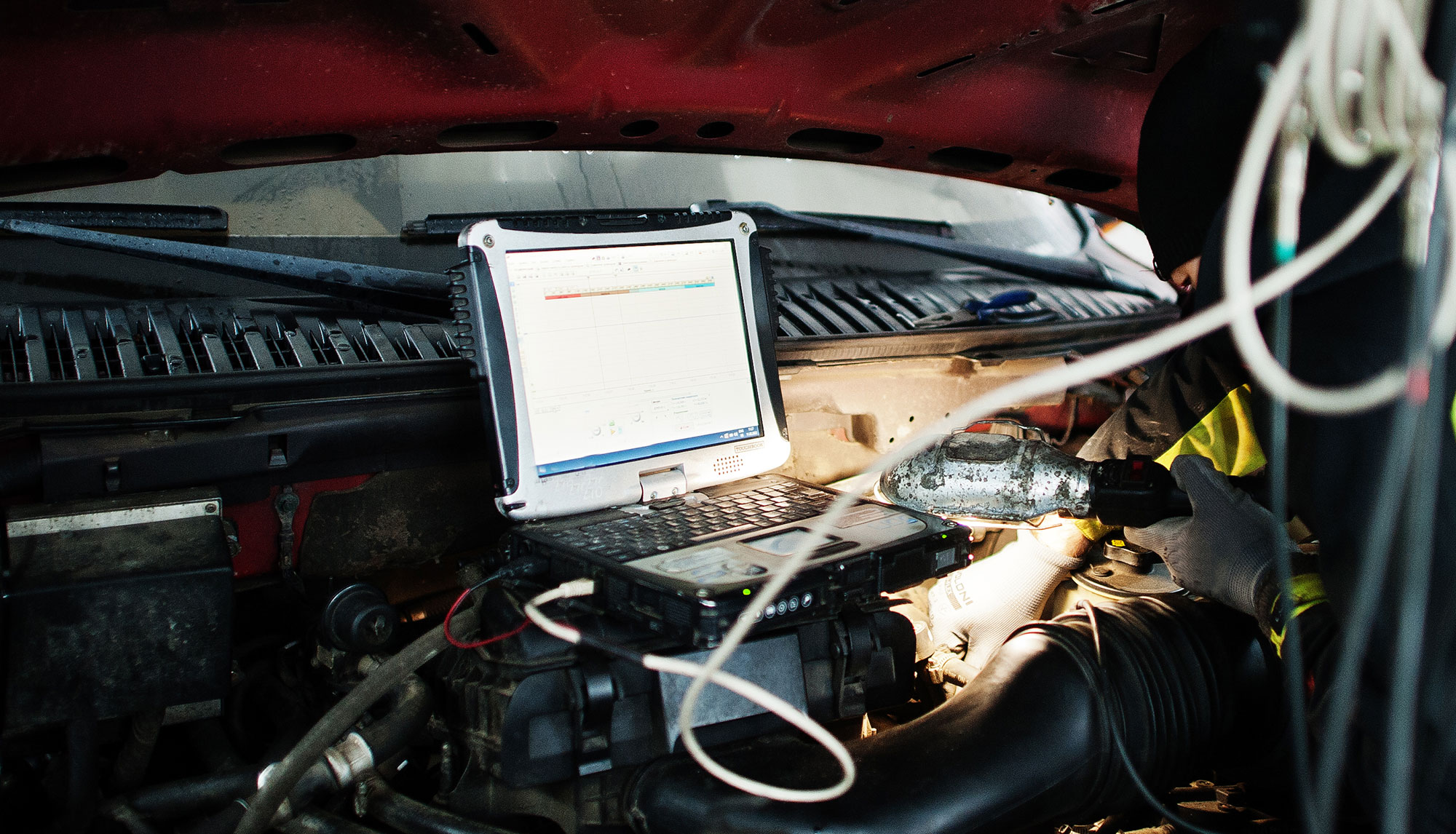
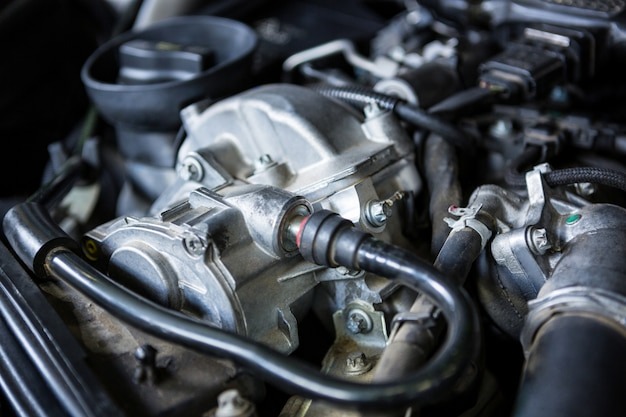
When a turbo fails on a Caterpillar engine, downtime can be costly. Choosing the right replacement is about more than finding the lowest price. A cat turbocharger must match your engine’s specifications, handle heavy duty cycles, and arrive with the right support. A poor choice can lead to repeat failures, wasted money, and even engine damage. Here is what to consider before you buy.
1. Match the Exact Part Number and Engine Model
The first step in buying a cat turbocharger is confirming the correct part number. Turbos vary by engine model, serial number, horsepower rating, and emission configuration, so a part that looks identical may perform very differently.
Check the data plate on your engine and the old turbo, and compare them with the supplier’s listing. If you are unsure, ask the dealer or a qualified technician to verify fitment before ordering.
2. Choose Between New, Remanufactured, and Rebuilt
Each option has its place. A new cat turbocharger offers the longest expected life and usually the strongest warranty, but it costs the most. Remanufactured units are rebuilt to factory specifications with new wear parts, often at a lower price.
Rebuilt units can vary widely in quality, so ask exactly which components were replaced and what testing was done. Weigh the cost against how critical the equipment is to your operation.
3. Consider Genuine, OEM, and Aftermarket Parts
Genuine parts are designed for your engine and are usually the safest choice for performance and warranty. Some aftermarket suppliers offer a quality cat turbocharger at a lower price, but quality is not consistent across the market.
Ask about materials, balancing procedures, and testing standards. Be careful with prices that seem too good to be true, as counterfeit or poorly made turbos can fail quickly and damage the engine.
4. Check Warranty and Return Policies
Warranty terms tell you how much confidence the seller has in the product. When comparing a cat turbocharger, look at the length of coverage, what is included, and whether labor or consequential damage is covered.
Read the conditions carefully, since many warranties require proper installation, oil analysis, or documented maintenance. Also confirm the return policy in case the part arrives damaged or does not fit.
5. Find and Fix the Root Cause of Failure
Replacing a turbo without understanding why it failed is one of the most common and costly mistakes. A new cat turbocharger will fail again if contaminated oil, a clogged oil line, a dirty air filter, or exhaust restrictions remain.
Inspect the oil feed and drain lines, intake piping, intercooler, and exhaust system, and flush or replace components as needed. Change the oil and filter during installation.
Final Thoughts
A careful purchase protects your equipment, your schedule, and your budget. Verify compatibility, compare new and remanufactured options, review warranty terms, and fix the underlying cause of the failure. When in doubt, speak with a qualified diesel mechanic or an authorized dealer. With the right preparation, your replacement will deliver dependable power for many hours of hard work.