In my 15 years running property and care-at-home operations across the UK, choosing the best key safe has never been a “small” decision. The wrong unit, in the wrong place, with sloppy code habits, is a security risk. The right one quietly protects your people, your assets and your reputation, day after day, in real British weather.
When people ask about the best key safe to choose in the UK today, they usually want a quick product list. The reality is more strategic. You are buying a mix of security rating, installation quality, user behaviour and local risk. This guide focuses on what actually works on UK streets, not what looks clever in a catalogue.
How to judge a key safe in the UK today
When you look at the best key safe to use in the UK today, do not start with price – start with evidence. In my experience, the first filter is independent security testing and police‑backed accreditation, not glossy branding. If a key safe is not designed for British tools, British crime patterns and British weather, it is not a serious option.
From a practical standpoint, focus on solid steel construction, attack‑resistant design and proper fixings into brick or concrete. Back in 2018, everyone thought any metal box would do; now we know better. The best key safe to choose in the UK today is the one that still works smoothly after years of use, not the one that saved you £15 on day one.
Why police approval and clear standards matter
Look, the bottom line is that when keys can open your whole home, “good enough” is not good enough. Police‑approved key safes have been hammered, pried and drilled in controlled tests before anyone signs them off. I once worked with a landlord who bought a batch of bargain boxes online; within a year several were rusting, and one failed after a minor attack.
We tried that approach and it backfired because there was nothing solid to show insurers or worried relatives. Since then, every serious operator I know has shifted towards units that meet recognised standards and police‑preferred specs. The best key safe to use in the UK today gives you that paper trail and peace of mind when something goes wrong and you have to justify your choices.
Location, installation and staying discreet
Here is what nobody talks about enough: you can buy the best key safe in the UK on paper and still create a weak point if you install it badly. The reality is that the wall, the fixings and the visibility matter as much as the box itself. For most British homes, that means fixing into solid brick or concrete, at a sensible height, away from direct street view.
I have seen key safes bolted into weak mortar joints, or stuck right beside the letterbox, practically under a spotlight. In one home‑care contract, we cut break‑in attempts to zero just by moving units to more discreet side walls and using proper fixings. When you think about the best key safe to choose in the UK today, think in terms of “system”: product plus placement plus workmanship, not product alone.
Balancing access for carers, trades and guests
I have been thinking about what you mentioned regarding juggling carers, cleaners, trades and guests without losing control of your keys. Everyone is talking about smart, app‑controlled solutions, but honestly, those can introduce new headaches: dead batteries, patchy Wi‑Fi, confused users standing in the rain. Theory says “go digital”; real‑world experience says, “Will this still work at 3 a.m. in February?”
What I have learned is that, for many UK homes, the best key safe to use today is a robust mechanical or simple digital keypad unit with a clear, disciplined code policy. The real question is not “smart or dumb” but “Who needs access, how often, and who owns the decision to change codes?” In one care business, moving to a quarterly code‑change routine did more for security than upgrading any hardware.
Cost, durability and long‑term value
From a practical standpoint, cheap key safes look attractive on a spreadsheet, but they are expensive once you factor in failures and callouts. The data tells us that many low‑end units struggle with real UK conditions: salt air on the coast, sideways rain, freezing temperatures, everyday grime. When dials seize or buttons wear smooth, carers go back to hiding keys under mats – and that is when problems start.
Most companies I have worked with see measurable reductions in lockouts, emergency locksmith visits and complaint calls once they standardise on a mid‑to‑high tier, UK‑focused model. The best key safe to choose in the UK today is the one that shrinks those hidden costs over five to seven years. If spending an extra £20 now avoids one emergency locksmith visit later, the maths is straightforward.
Conclusion
The reality is that choosing the best key safe to use in the UK today is about judgement, not fashion. You are weighing accreditation, build quality, installation, user behaviour and local risk, not just ticking a box on a procurement form. Here is what works: pick a properly tested, police‑approved unit, install it discreetly into solid brick or concrete, keep codes tight and rotate them on a schedule.
What I have learned is that when leaders treat key safes as invisible security infrastructure rather than cheap hardware, problems fall away. During the last downturn, the smart operators quietly upgraded their weakest boxes and standardised their processes instead of chasing gimmicks. Do the same, and your key safe becomes one of those decisions you barely think about again – and that is exactly how security should feel.
What makes a key safe “the best” for UK homes today?
The best key safe to choose in the UK today is one that combines proven security testing, police‑backed approval, and robust build for British weather. Add correct installation into brick or concrete and simple, reliable operation for carers, trades and family. If any one of those is missing, you are taking a calculated risk.
Should I always choose a police‑approved key safe?
If the keys open your main UK home, a vulnerable person’s property or a rental, a police‑approved key safe is the smart baseline. You get documented testing against forced entry and something solid to show insurers or local authorities. For low‑risk uses, you might accept less, but that should be a deliberate, eyes‑open decision.
Where is the safest place to install a key safe?
The safest place is usually on a solid brick or concrete wall, out of direct line of sight from the street but easy for authorised people to reach. Think side walls, garage returns or near back doors rather than right beside the front door. Avoid weak mortar joints, loose render or anything that can be pried away.
Are smart, app‑controlled key safes worth it in the UK?
Smart key safes can work for tech‑comfortable owners, frequent short‑lets or situations where remote code changes are critical. However, they add dependencies on batteries, connectivity and phone apps that do fail in real life. For many UK households, a high‑quality mechanical or keypad model is still the best key safe to use today.
How often should I change my key safe code?
For typical UK households, changing the code every three to six months is a good rhythm. Tighten that to immediately after staff changes, tenant moves or any time a contractor had temporary access. The more people know the code, the shorter the code’s life should be if you want the key safe to stay genuinely secure.
Will a key safe affect my home insurance?
Insurers mainly care that you have taken reasonable precautions and that any break‑in shows signs of forced entry. A properly installed, good‑quality key safe rarely causes trouble and can even support your case that you acted responsibly. The safest move is to tell your insurer you are using one and follow any written guidance they give.
What is the difference between a key safe and a key cabinet?
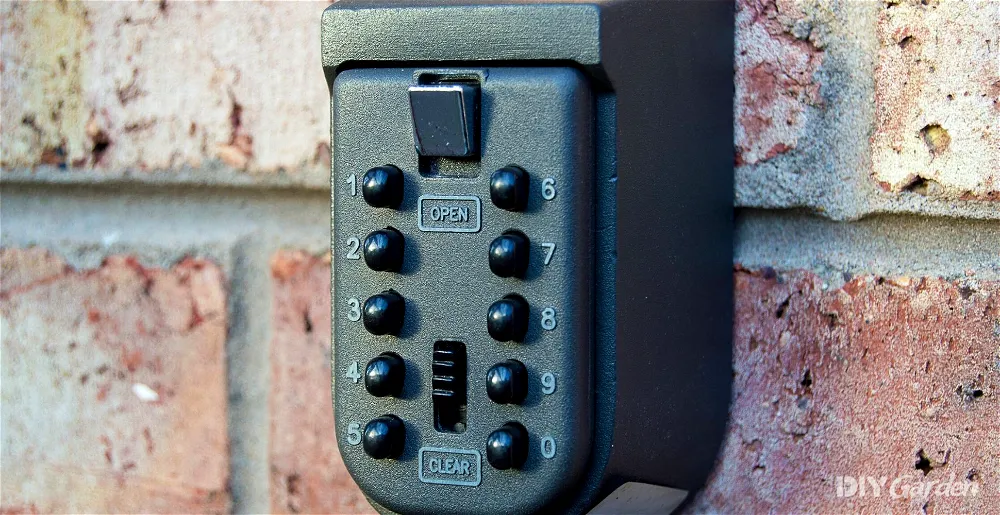
A key safe is usually a compact, weather‑resistant box on an outside wall, holding a few keys for access to a single UK property. A key cabinet is bigger, typically kept indoors, and used by businesses or landlords to manage many keys. For carers, family and small rentals, an external key safe is the relevant tool.
Is a cheap, unbranded key safe ever a good idea?
In theory, you might use a cheap, unbranded key safe for low‑stakes applications like a garden shed. In practice, most of the failures and headaches I have seen came from exactly those purchases. For anything that protects a home or vulnerable person in the UK, stepping up to a reputable, tested model is simply wiser.
Can I install a key safe myself?
If you are comfortable drilling into brick or concrete, following instructions and choosing a discreet location, you can fit a key safe yourself. The risk is cutting corners on fixings, picking a weak surface or putting it somewhere obvious. For critical properties, spending a little on a professional installer who understands UK guidance often pays off.
Are key safes just for older people and carers?
Key safes started as a tool for carers and older adults in the UK, but their use has broadened fast. Today, the best key safe to choose in the UK might be serving trades, cleaners, pet sitters, Airbnb guests and busy families as much as care teams. The common thread is controlled flexibility without slipping back to keys under the mat.