
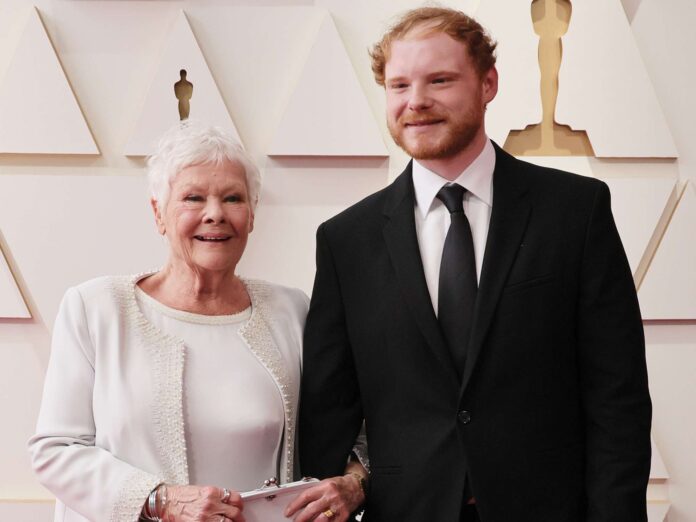
The conversation around Judi Dench children news revolves less around controversy and more around the quiet continuity of a family shaped by shared craft and private loss. Dench’s relationship with her daughter, Finty Williams, represents a different model of celebrity family dynamics—one built on professional respect, personal discretion, and the long shadow of a late spouse who remains central to both their stories.
Understanding what drives attention in this area requires distinguishing between genuine developments and the periodic resurfacing of established biographical details. The signals here are subtle but deliberate.
Professional Continuity And The Reality Of Family Legacy
Finty Williams followed her parents into acting, a choice that creates both opportunity and complication. On one hand, it establishes professional common ground; on the other, it invites constant comparison.
Dench and her late husband, Michael Williams, were both established performers when Finty was born, and their daughter grew up immersed in theatrical culture. From a practical standpoint, this familiarity likely eased her transition into the profession, but it also meant her work would always be evaluated against her mother’s towering reputation.
The data tells us that second-generation actors face distinct pressures. Audiences and critics often struggle to assess their work independently, layering expectations shaped by parental achievement onto every performance. Dench has managed this dynamic by maintaining professional boundaries—she and Finty have occasionally worked together, but their careers remain largely separate.
Grief, Public Memory, And The Narrative That Persists
Michael Williams died in 2001, and his absence continues to shape how Dench’s family life is framed. Interviews frequently reference the marriage, the partnership, and the shared desire for a larger family that never materialised.
Dench has spoken openly about wanting six children with Williams, a detail that resurfaces regularly in biographical coverage. This isn’t just sentimental framing—it’s a narrative anchor that humanises a performer whose career has been marked by extraordinary discipline and range.
Look, the bottom line is that sustained public interest in a decades-old marriage reflects the power of relational storytelling in celebrity culture. Dench’s partnership with Williams is remembered as a professional and personal ideal, and Finty serves as the living embodiment of that union. The reality is that this framing benefits everyone involved—it reinforces Dench’s image as someone grounded in love and loss, and it gives Finty a distinct identity beyond simply being “Judi Dench’s daughter”.
The Mechanics Of Privacy In A Multi-Generational Acting Family
Dench has consistently avoided the kind of high-volume media engagement that many contemporary actors pursue. She gives interviews, attends premieres, and accepts honours, but she doesn’t monetise her personal life through social media or reality-style access.
This approach extends to how she discusses Finty. References are affectionate but brief; details are shared sparingly. What I’ve learned is that this level of restraint requires industry clout—performers without Dench’s stature face more pressure to trade personal access for professional visibility.
Finty has adopted a similar posture. She works steadily but maintains a low public profile, and her family life—including her role as a mother to Dench’s grandson—remains largely out of media circulation. Here’s what actually works: multi-generational consistency in privacy management creates compound benefits, as each generation’s restraint reinforces the others’.
Timing, Milestones, And When Family Becomes The Story
Public interest in Dench’s family life tends to spike around specific triggers: major award wins, milestone birthdays, health updates, or rare public appearances with Finty or her grandson. These moments create natural opportunities for biographical retrospectives, and media outlets respond accordingly.
Dench has occasionally brought family members to high-profile events, offering controlled visibility that satisfies public curiosity without inviting sustained scrutiny. The 80/20 rule applies cleanly here: minimal exposure generates maximum goodwill, because audiences appreciate the gesture without expecting ongoing access.
The strategic value of this approach becomes clearer over time. Dench is now in her nineties, and her legacy is firmly established. The fact that she has maintained family privacy throughout her career adds to that legacy rather than detracting from it. From a reputational standpoint, restraint has compounded value—it positions her as someone who succeeded on her own terms without compromising the people closest to her.
The Signal Versus The Noise In Family Coverage
Most Judi Dench children news isn’t news in the traditional sense—it’s retrospective framing of long-established facts. Finty was born in 1972; she became an actor; she has a son; Dench is a grandmother. These details don’t change, but they’re repackaged periodically to align with current coverage cycles.
The signal here is how Dench has managed the boundary between public achievement and private life across decades. She’s given enough context for audiences to understand her as a full person—wife, mother, widow, grandmother—without allowing those roles to eclipse her professional identity.
I’ve seen this play out across industries: the most effective reputational strategies are those that provide just enough transparency to build trust while reserving enough privacy to maintain control. Dench has executed this balance with remarkable consistency, and the long-term result is a public image that feels both accessible and impervious to tabloid erosion.

