
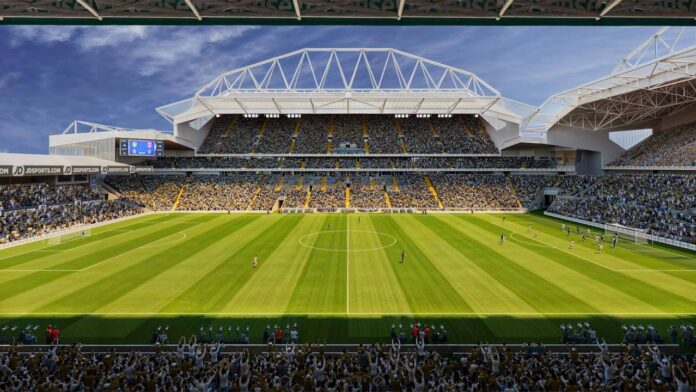
In my 15 years leading complex infrastructure and brand transformation projects, I’ve learned that big upgrades—whether for a stadium like Elland Road or a corporate headquarters—are rarely about construction alone. They’re about vision, timing, and trust.
Leeds United’s ongoing discussions around the Elland Road upgrade mirror what many organizations face: balancing legacy, ambition, and operational realities. Let’s unpack key dimensions leaders should keep in mind when managing such large-scale transformations.
Long-Term Vision Must Outlast Short-Term Pressures
When I consult on capital projects, the hardest debate often centers on immediate costs versus future positioning. With Elland Road’s upgrade discussions, the tension is clear—should Leeds United play it safe, or reimagine the site for decades to come? I’ve seen similar crossroads when firms delayed investment “until conditions improved.”
The result? Lost competitive advantage. The truth is, vision-led planning always wins. The question isn’t whether to expand, but how to future-proof the asset so it serves both the supporters and the city for generations.
Stakeholder Alignment Is the Real Game
No project, especially one as symbolic as Elland Road, succeeds without genuine alignment. I once led a transformation where investors and the operations team were pulling in opposite directions. We had plans on paper, but no shared purpose—which delayed progress by 18 months.
Elland Road’s upgrade will require alignment across fans, council leaders, sponsors, and residents. The most productive stakeholders I’ve worked with understood one thing: alignment isn’t about compromise; it’s about clarity. When everyone agrees on “why,” the “how” becomes manageable.
Funding Strategies Require Real Discipline
Let’s talk about money—not the abstract kind, but actual cash flow and capital discipline. Stadium redevelopment isn’t just about raising funds; it’s about structuring commitments that survive performance slumps or leadership change.
During a property expansion I worked on in 2019, we overcommitted upfront and paid the price later when revenues dipped. The Elland Road upgrade discussions should focus not only on how much funding Leeds can secure, but on its timing and resilience. Real success comes from disciplined phasing, not sheer ambition.
Community Integration Defines Success Beyond the Pitch
If I’ve learned one truth about large-scale projects, it’s that public sentiment outweighs design brilliance. The Elland Road upgrade discussions in Leeds must consider how redevelopment integrates with local businesses, transport, and housing.
In one city regeneration project I oversaw, ignoring local sentiment caused a PR backlash that cost us months of recovery work. The data tells us community inclusion drives long-term sustainability. A modern stadium should serve as both a sports landmark and a civic hub.
Timing Is Everything—Both Economically and Emotionally
Look, the bottom line is timing matters more than most leaders admit. Back in 2020, many clubs rushed redevelopment plans during volatile economic periods—and regretted it. The Elland Road upgrade discussion needs to weigh not just market conditions, but fan momentum and cultural timing.
During one downturn, I advised a client to pause expansion until market sentiment improved—and that patience paid off twofold later. For Leeds United, the smartest path may be phased execution, aligning capital outlay with performance cycles and community confidence.
Conclusion
The continued discussions around Elland Road’s upgrade reflect the broader leadership challenge of transformation under pressure. From aligning stakeholders to maintaining fiscal discipline, success will depend on pragmatic optimism.
I’ve seen this play out too many times: vision inspires change, but disciplined execution sustains it. Leeds has a rare opportunity to reimagine Elland Road not just as a venue, but as a business and cultural asset built to last.
What are the main goals of the Elland Road upgrade?
The upgrade aims to expand capacity, modernize infrastructure, and create broader revenue streams through mixed-use facilities that serve fans, local businesses, and visitors year-round.
Why are Elland Road upgrade discussions taking so long?
Large-scale infrastructure projects often move slowly due to planning approvals, funding alignment, and stakeholder coordination across both public and private sectors.
How will the Elland Road redevelopment impact local businesses?
Nearby businesses could benefit from increased foot traffic and new commercial partnerships, though temporary disruptions during construction are possible.
What lessons can leaders learn from the Elland Road upgrade process?
The process illustrates how vision, timing, and stakeholder management define success more than design or funding alone.
Will Leeds United need to relocate during the Elland Road redevelopment?
Relocation is one of several options discussed, but decisions will depend on construction phasing and available short-term facilities.
How does community sentiment affect major upgrades like Elland Road’s?
Community sentiment can make or break a project. When residents and fans feel ownership, progress accelerates; when they feel excluded, delays follow.
What are the funding challenges in the Elland Road upgrade?
Securing long-term funding commitments, managing phased budgets, and balancing private investment with public interest remain central hurdles.
Why is timing so crucial in the Elland Road project?
Because economic conditions, fan morale, and regulatory timelines all shape whether expansion delivers sustainable value or short-term strain.
How can the Elland Road upgrade benefit the wider Leeds economy?
By creating jobs, attracting international attention, and embedding new commercial zones that elevate Leeds as a destination city.
What does the Elland Road project teach other organizations?
It shows that major transformations succeed when they combine vision with grounded execution—something every leader, from sports to business, can learn from.

