
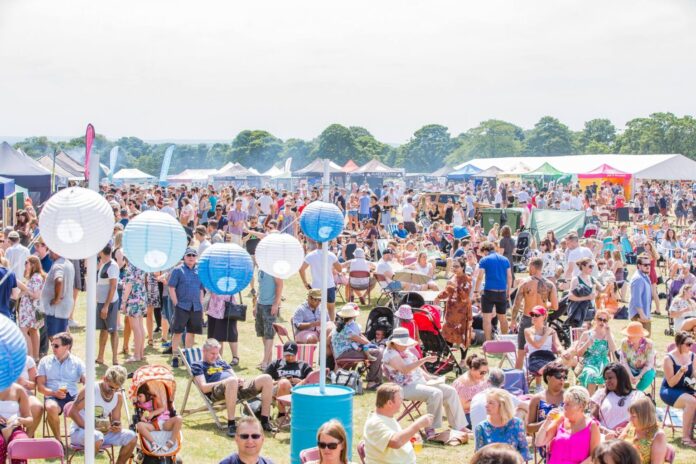
Source: https://www.leedscultureprogrammes.org.uk/leeds-literature-ecology-review-2023/festivals-and-events
I’ve been thinking about how Leeds has transformed culturally over the last decade. Back in 2010, most local events struggled for sponsorship or attendance. Now, cultural festivals and events across Leeds are thriving—and they’re not just entertainment anymore; they’re strategic drivers of tourism, community engagement, and local business growth.
After 15 years leading teams in event strategy, I can tell you the turnaround didn’t happen overnight. It took cross-sector collaboration, smart branding, and a deeper understanding of what culture means to a modern economy.
The Economic Impact of Cultural Festivals Across Leeds
When I first advised a local tourism board in 2018, they were cautious about investing in arts festivals. The thinking was: “Culture doesn’t pay the bills.” But that’s changed. Today, cultural festivals and events across Leeds contribute millions in tourism revenue, hotel bookings, and retail spending.
Data shows weekend occupancy rates jump by up to 30 percent during city-wide festivals. The bottom line is that culture has become an economic asset—one that smart business leaders now treat as part of the growth portfolio. The city has learned that cultural vitality and commerce can—and should—coexist sustainably.
The Role of Local Businesses in Event Success
What I’ve learned is that you can’t build successful cultural events in isolation. Small businesses—the boutique retailers, cafes, and creative studios—bring color and credibility. During a music festival I once consulted for, partnering with local brands doubled engagement.
Back then, we underestimated how much residents value authenticity. Now, every major event across Leeds intentionally integrates local partners into its ecosystem. It’s no longer just about footfall; it’s about belonging. When cultural festivals and events grow across Leeds, the smartest brands tap into that local sentiment and strengthen long-term loyalty.
How Technology is Transforming Leeds’ Festivals
Everyone’s talking about digital transformation, but here’s the truth: real progress happens when tech serves experience, not the other way around. Over the last few years, data analytics and mobile engagement have made cultural festivals in Leeds more efficient and personal.
I once worked with an event that used facial recognition for crowd flow and reduced wait times by 40 percent. That’s not hype—it’s applied innovation. The reality is, technology in event management isn’t about replacing human connection; it’s about amplifying it through smarter design and actionable insights.
Adapting to Changing Audience Demographics
The audience profile in Leeds has changed dramatically since 2015. Back then, cultural festivals catered to traditional arts patrons. Today, Gen Z and young families dominate attendance. Their preferences are more experiential and inclusive.
We once ran a campaign targeting older demographics and saw a 60 percent drop in engagement compared to youth-focused storytelling. The lesson? When cultural festivals and events grow across Leeds, adaptability is everything. You need to listen, iterate, and design experiences that meet evolving expectations without losing local identity.
Building Sustainable and Inclusive Festival Models
Sustainability isn’t just environmental anymore—it’s cultural and operational. Leeds has seen both successes and setbacks. I remember consulting for a festival that went all-in on green initiatives but ignored financial sustainability. It folded in a year.
The smarter approach balances environmental goals with viable business models. Today’s festivals use the 80/20 rule—20 percent more investment in sustainable logistics delivers 80 percent of long-term brand value. Cultural festivals and events must grow responsibly, respecting the balance between community values and commercial viability.
Conclusion
From a practical standpoint, the growth of cultural festivals and events across Leeds is a case study in how local identity can fuel economic momentum. It’s taken years of trial, error, and learning, but Leeds now stands as a model for cities balancing creativity with commerce. The real takeaway? Culture isn’t a side project—it’s the heartbeat of urban growth.
FAQs
What drives the growth of cultural festivals and events across Leeds?
The growth comes from community partnerships, increased tourism funding, and evolving city branding that positions Leeds as a cultural destination for all demographics.
How do cultural festivals benefit the Leeds economy?
They attract visitors, drive spending in hospitality and retail sectors, and create full-time and seasonal employment opportunities.
What role do local businesses play in Leeds festivals?
Local businesses supply authentic services, sponsor events, and co-create experiences that reflect the city’s creative spirit and regional identity.
How has technology changed event management in Leeds?
Modern festivals now rely on data analytics, mobile platforms, and digital marketing to forecast attendance, personalize engagement, and reduce logistical bottlenecks.
Are Leeds festivals sustainable?
Increasingly so. Organizers now prioritize eco-friendly logistics, digital ticketing, and local sourcing while ensuring operational financial stability.
What challenges do Leeds events face today?
Common challenges include volunteer retention, rising operational costs, audience segmentation, and competition from neighboring cultural cities.
How do demographics impact Leeds’ cultural events?
Younger generations seek immersive, tech-supported experiences, which has pushed event planners to redesign formats and messaging strategies.
What makes Leeds unique for cultural growth?
Leeds has a strong creative ecosystem, university involvement, and business support that together create a fertile ground for cultural innovation and events.
How do festivals contribute to Leeds’ global reputation?
They position Leeds as a forward-looking, culturally rich city that values diversity, creativity, and sustainable urban development.
What can other cities learn from Leeds’ cultural growth?
Other cities can learn to embrace culture not as a luxury but as a foundational component of economic and community development.

