Home blood pressure monitoring is useful when you use a validated device, a cuff that fits and a recording schedule agreed with the healthcare team. One number is not the whole diagnosis. I would clarify whether monitoring is intended to confirm hypertension or review treatment before collecting readings. Pregnancy and certain medical conditions need an individual plan rather than applying a general adult routine without discussion.
1. Which device suits home blood pressure monitoring?
Ask for a clinically validated automatic upper-arm monitor and check the actual model, not merely the brand. NICE recommends properly validated, maintained equipment and appropriate cuff size. A device that looks professional is not evidence that it has been tested for accuracy.
A purchase suggestion on Hull Report cannot establish suitability. Ask the pharmacy or practice whether your proposed monitor is appropriate and whether the practice lends devices. Bring your monitor if staff need to check your technique or compare it with their equipment.
2. Why does cuff size matter?
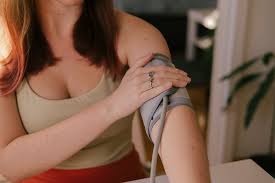
The cuff must fit your upper arm within the manufacturer’s stated range. A cuff that is too small or too large can distort the result. Measure as directed and ask for help if the supplied standard cuff does not fit.
Tell the clinician about an irregular pulse or difficulty using an automatic device. NICE notes that automated readings may be inaccurate with an irregular pulse and recommends manual measurement where appropriate. Do not assume repeatedly pressing the button resolves a technical limitation.
3. How should I sit and prepare?
Sit quietly with your back and arm supported in a relaxed environment. Follow the device instructions, keep the cuff at heart level and avoid talking during measurement. Use a consistent routine rather than compare a rushed reading after activity with a settled evening measurement. Keep your feet flat and legs uncrossed while seated for each routine measurement.
Ask the practice to demonstrate the method if anything is unclear. Keep the instructions separate from general notes at coventryinsight.co.uk. A brief technique check can be more helpful than collecting another week of readings taken incorrectly.
4. How often should I take readings?
For confirming adult hypertension, NICE advises two consecutive readings at least one minute apart, twice daily, ideally morning and evening. Continue for at least four days, ideally seven. Discard day one and average the remaining measurements.
Monitoring an established condition may use another schedule. Ask how many days are required, which arm to use and whether medicine timing matters. Do not keep measuring every few minutes to search for a number you prefer.
5. What does the average mean?
A home average of 135/85 mmHg or higher supports the diagnosis pathway when the clinic reading is also raised. Home and clinic thresholds differ. The individual treatment target may depend on age, conditions and the clinician’s assessment.
Ask whether the concern is the upper number, lower number or both. A single unusual result is not equivalent to a sustained average, but symptoms or a very high reading need separate attention rather than being buried in the week’s calculation.
6. What should I record and send?
Keep dates, times, both readings and any relevant symptoms or circumstances. Use the practice’s requested format and confirm who will review it. A monitor’s memory can help, but do not assume an app automatically sends results to your GP.
Clinical records belong in the agreed secure route, not a public comment at Plymouth Wire. Send the complete requested set rather than only the highest or lowest numbers, and retain a copy of the instructions and review date.
7. What requires action before the review?
Agree urgent thresholds with the team. A reading with systolic pressure at least 180 or diastolic pressure at least 120 mmHg needs prompt clinical advice, even without symptoms. Do not take extra medicine to force it down without instructions.
Call 999 for persistent acute chest pain, severe breathlessness or stroke symptoms; do not wait for more measurements. If treatment causes dizziness or other problems, contact the prescriber. The purpose of monitoring is a safer clinical decision, not self-adjusting doses or ignoring illness because one number looks reassuring.
This article provides general information, not an individual diagnosis or treatment plan; follow advice from your healthcare team and seek appropriate help for concerning symptoms.