
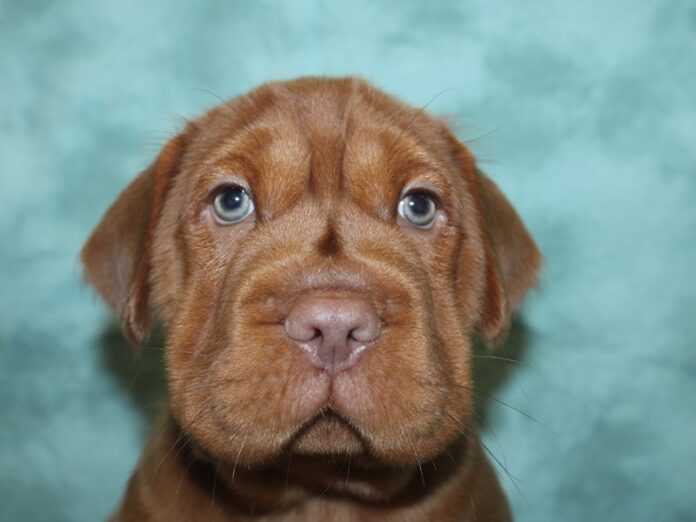
Recent viral clips of pygmy hippos in zoos have drawn fresh attention to compact, wrinkled animals that capture public imagination, spotlighting the Mini Hippo Dog as a household counterpart. Breeders report increased inquiries for this Cocker Spaniel-Shar-Pei mix, with operations like Mini Hippo Land in Oklahoma noting steady demand amid broader interest in designer hybrids. The Mini Hippo Dog stands out for its squarish build and hippo-like snout, traits that blend the Shar-Pei’s ancient guarding instincts with the Cocker Spaniel’s sporting energy. Public discussions now circle around whether this recent cross can deliver reliable companionship without inheriting stubbornness or skin woes from its lines. Coverage in pet outlets highlights puppies going home to families, yet underscores the need for diligent health checks given the parents’ shared vulnerabilities. No formal club recognition exists yet, leaving traits variable across litters. Still, the Mini Hippo Dog fills a niche for those seeking a protective yet playful medium dog under 65 pounds. Renewed curiosity stems from social shares of their deep barks and floppy ears, prompting breeders to emphasize early socialization.
Origins and Development
Parent Breed Foundations
The Mini Hippo Dog emerges from the Cocker Spaniel, a sporting breed refined in England for bird flushing, now prized for gentle family roles. Shar-Pei ancestors trace to 200 BC China, guarding estates and herding before fighting pits shaped their stocky form. Crosses began in the U.S. during the 1990s designer boom, aiming to soften Shar-Pei independence with Spaniel eagerness. Early litters showed unpredictable fur, from horse-short to bear-wavy, complicating standardization. Breeders selected for the wrinkled muzzle that evokes pygmy hippos, fueling the name. No central registry tracks pure lines, so variations persist in height from 18 to 21 inches.
Breeding Practices Today
Operations like Mini Hippo Land pair health-tested Shar-Peis with Cocker Spaniels, delivering nationwide via vetted programs. Puppies arrive with docked tails in some cases, curling naturally otherwise. Wags and Wrinkles emphasizes balanced pairings to minimize entropion risks. Demand spikes post-viral animal trends, with waitlists forming quickly. Ethical breeders mandate vet checks before placement, stressing informed owners for lifelong success. Yet, backyard mixes flood markets, diluting traits without genetic screening.
Historical Context in Hybrids
Designer dogs like the Mini Hippo Dog rode the Labradoodle wave, prioritizing companionship over field work. Shar-Pei rarity post-Cultural Revolution boosted crosses for accessible wrinkles. Cocker Spaniel popularity, peaking in mid-20th century shows, lent silky coats to offset Shar-Pei coarseness. Public records show no pre-1990 mentions, marking it firmly modern. Recent breeder blogs detail genetics, warning against overbreeding for looks alone.
Recognition Challenges
The Mini Hippo Dog lacks AKC status, registering informally via DRA or ACHC. Hybrid vigor claims circulate, but unproven without multi-generation data. Clubs form online, sharing photos of 40-65 pound adults. Controversy brews over tail docking ethics, with some states restricting it. Breeders push for health transparency to gain traction.
Future Line Evolution
Selective pressure favors calmer tempers, blending Shar-Pei loyalty with Spaniel play. Genetic testing rises, targeting hip dysplasia carriers. Public fascination could spur formal standards by decade’s end, if health holds.
Physical Traits and Variations
Size and Build Standards
Mini Hippo Dogs measure 18-21 inches at shoulder, weighing 40-65 pounds in sturdy, square frames. Stockiness echoes Shar-Pei, with broader chests than slender Cockers. Males edge larger, females compact for apartments. Growth plateaus by 18 months, though laziness prompts weight gain. Breeders note 35-45 pounds ideal for activity.
Coat Types Detailed
Bear coats wave softly over 1 inch, shedding moderately. Brush variants gloss at 1 inch, horse coats rough under ¾ inch. Colors span cream, black, chocolate, fawn—mixed often. Spaniel silk tempers Pei coarseness, aiding allergies mildly. Seasonal blows hit bear types harder.
Facial Features Signature
Wrinkled snouts pad like hippos, with floppy ears blending Spaniel drop and Pei fold. Deep-set eyes risk cherry eye prolapse. Muzzles shorten variably, affecting breath in heat. Teeth sharpen early, barks deepen surprisingly.
Color and Pattern Diversity
Tan dominates, chocolate recedes, grays mix rarely. Patches mimic parents, no merle dilutions noted. Pups darken post-weaning, patterns settling by six months. Breeders favor solids for show appeal.
Body Proportions Unique
Short legs support barrel torsos, tails curl high. Dewclaws persist, nails blacken young. Proportions suit moderate exercise, overheating in humidity.
Temperament and Behavior
Family Compatibility
Mini Hippo Dogs bond tightly, gentle with supervised kids. Protective streaks surface around toddlers, needing boundaries. Spaniel sociability eases Pei aloofness. Multi-pet homes succeed with early intros.
Protective Instincts
Shar-Pei heritage sparks alerts to strangers, barks moderate. Loyal to core family, wary otherwise. Training channels guarding without aggression.
Energy Levels Daily
Moderate needs fill with walks, play—laziness tempts obesity. Spaniel vigor balances Pei calm, suiting varied lifestyles. Overheating limits runs.
Socialization Needs
Early exposure curbs shyness, fostering dog park ease. Puppy classes build confidence, countering independence. Adults adapt slower sans basics.
Independence Traits
Stubborn flashes demand firm positivity. Eager pleasers shine in routines, yet test limits occasionally.
Health and Care Essentials
Common Conditions
Ear infections thrive in floppy-narrow canals, otitis frequent. Skin folds trap moisture, sparking pyoderma. Entropion rolls lids inward, cherry eye prolapses glands.
Grooming Routines
Weekly brushes suit all coats, wipes dry folds daily. Bath sparingly, eyes lubricate. Nails trim monthly, ears pluck if needed.
Nutrition Guidelines
High-protein kibble controls weight, grains low for allergies. Portions twice daily, treats sparse. Fresh water constant.
Exercise Recommendations
Gentle 30-minute walks, play sessions suffice. Cool times prevent heat stress, swims dry thoroughly.
Lifespan Factors
10-15 years average, bolstered by checks. Obesity shortens, genetics vary.
Veterinary Lifespan Management
Preventive Screenings
Annual exams catch dysplasia early, bloodwork monitors. Eye certs pre-breeding essential.
Dental Maintenance
Brushing thrice weekly fights decay, chews aid. Bad breath signals issues.
Weight Control Strategies
Calorie tracking, activity logs prevent gain. Joint beds support.
Training Methods
Puppy Basics
Positive reinforcement clicks for sits, recalls. Crate trains fast, potty innate sometimes.
Obedience Commands
Firm consistency overcomes stubbornness. Leash manners build via rewards.
Social Skills Building
Group classes expose stimuli, reducing reactivity.
Advanced Tricks
Intelligence suits agility lite, scent games.
Behavior Corrections
Ignore demands, redirect chewing. Patience yields.
Daily Ownership Realities
Housing Adaptations
Apartments fit compact sizes, yards bonus. Fencing deters escapes.
Cost Breakdowns
Puppies $1500-3000, food $50 monthly. Vets add for folds.
Time Commitments
Groom 30 minutes weekly, walks daily. Bonds deepen interaction.
Travel Considerations
Crate trained aids trips, heat bans cars.
Aging Adjustments
Seniors slow, ramps ease joints.
The Mini Hippo Dog occupies a volatile spot in hybrid trends, blending appeal with inherited pitfalls like chronic ear and skin troubles that demand vigilant owners. Public records affirm its U.S. origins and rising breeder presence, yet variability persists without standardized lines—some litters thrive healthily, others falter early. Families drawn to its protective charm navigate moderate exercise needs alongside grooming rigors, where moisture control proves decisive. No data resolves long-term hybrid vigor claims, as first-generation crosses dominate sales. Forward, ethical programs could stabilize traits, but backyard floods risk amplifying Shar-Pei woes. Prospective adopters weigh cuteness against vet bills, with insurance emerging as prudent. Unresolved remains formal recognition, potentially reshaping availability by 2027. Demand endures, fueled by social virality, leaving the breed’s trajectory open amid evolving pet preferences.

