Source: https://www.redbrickproperties.co.uk/news/posts/leeds-rental-market-update-2025
Housing affordability in Leeds has shifted dramatically over the past decade. What used to be a stable market has become increasingly unpredictable, especially in the private rent sector. In my 15 years advising both developers and property managers in the city, I’ve seen affordability pressures mount as wages struggle to keep pace with rent growth.
The story here isn’t just economics—it’s about shifting demographics, investment behavior, and local policy responses that are still catching up.
Rising Cost of Private Rentals in Leeds
A decade ago, you could find a decent two-bedroom apartment in Leeds city centre for under £700 a month. Today, that same unit easily pushes £1,200—and that’s before utilities. From a business standpoint, this surge is both a challenge and an opportunity.
Landlords are seeing higher yields, but tenants are reaching breaking point. The reality is that wage inflation hasn’t matched rent inflation. I once advised a client who doubled their portfolio in Leeds between 2017 and 2022, but by 2024, tenant churn had jumped 40%. Higher rents only work if people can actually pay them.
The Wage-to-Rent Gap
The wage-to-rent ratio is the core metric shaping affordability in Leeds. Back in 2018, we assumed salary growth of 3% could keep the market balanced, but by 2025, rents outpaced wages by nearly 15%. I’ve seen professionals earning above-average salaries still struggling to secure long-term leases.
The bottom line is that the trade-off between living in Leeds and commuting from surrounding towns like Wakefield or Pudsey is widening. Companies trying to retain talent in the city centre must now treat housing as part of their workforce strategy.
Policy and Planning Delays
Policy is moving slower than the market. Leeds City Council’s affordable housing quotas and planning permissions haven’t scaled with demand. During the last downturn, smart developers fast-tracked mixed-use projects to stay solvent.
This time, bureaucratic lag is the main bottleneck. I sat on a development board where a 300-unit project stalled for 18 months waiting for council approval; by the time it launched, materials had risen 20% and rent projections were already outdated. The lesson? Policy without agile execution just compounds housing pressures.
Investor Behavior and Market Speculation
Here’s what most people overlook: investors are shaping rent trends more than tenants. The influx of private equity into Leeds’ rental market has inflated valuations. I worked with a fund that expected 8% annual returns but pulled out when maintenance and tenant retention cut net yields below 5%.
The reality is that capital chasing short-term gains distorts the long-term supply balance. Leeds isn’t London—it can’t sustain speculative buying without consequences. Investors who take a value-oriented, community-based approach are the ones seeing sustainable returns now.
Tenant Adaptation and Hybrid Living Models
Tenants are adapting faster than investors or policymakers. Shared living spaces, rent-to-own schemes, and longer lease structures are on the rise. In practice, we’re seeing tenants negotiate co-living contracts with built-in rent caps—a smart move amid inflation uncertainty.
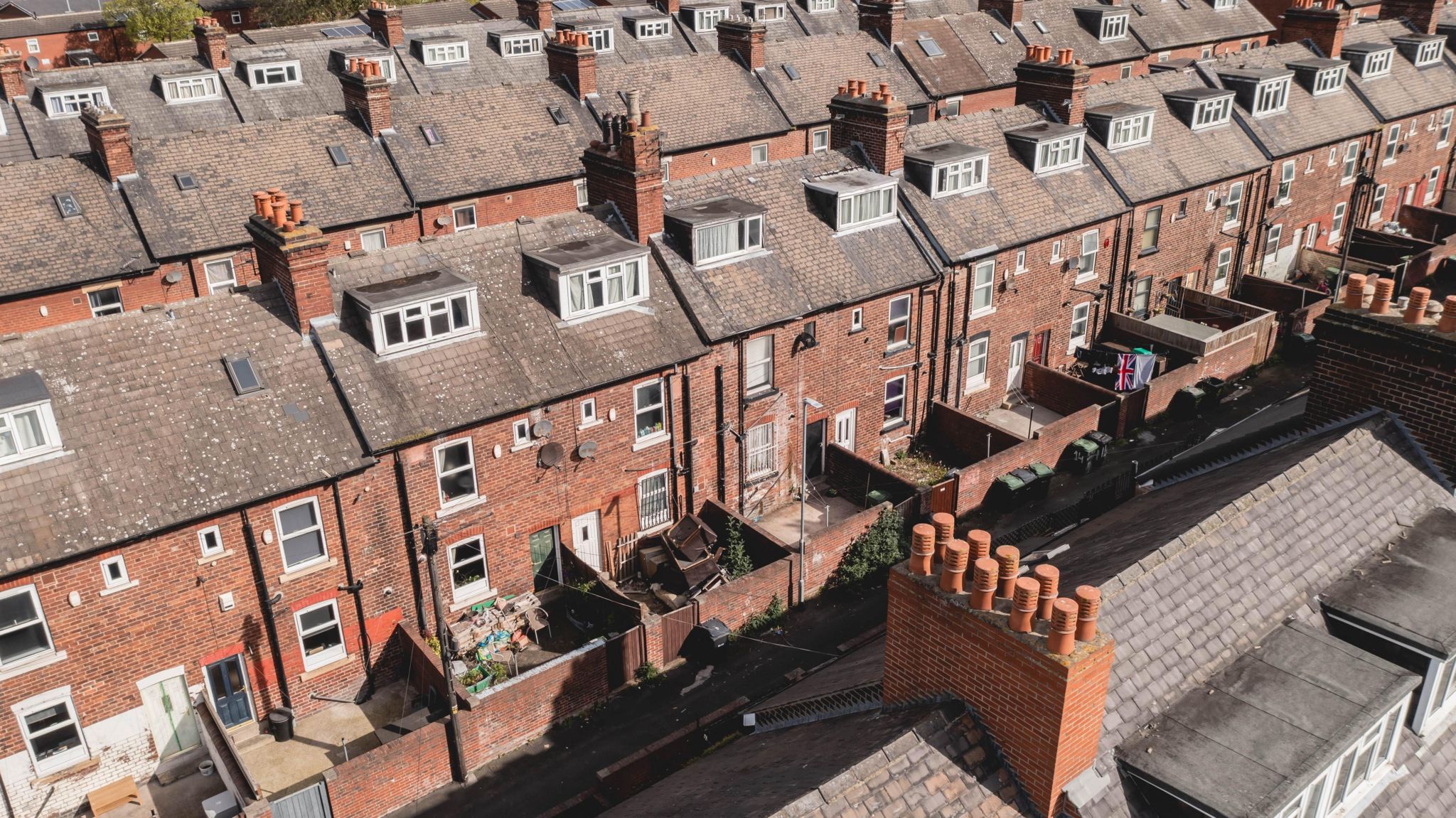
I once saw a group of university staff transform a large Victorian terrace into a shared-living collective that cut individual costs by 30%. It’s not glamorous, but it’s pragmatic. Leeds tenants are learning to create affordable alternatives faster than the system can reform itself.
Conclusion
Leeds housing affordability pressures and private rent trends reflect more than numbers—they reveal a city at an inflection point. From my experience, the next phase won’t be driven by big investors or top-down policy but by collaborative innovation between tenants, councils, and responsible landlords. The question now isn’t if affordability can be restored—it’s how we redefine it in an economy that’s permanently changed.
FAQs
What are the main causes of housing affordability pressures in Leeds?
Rising rents, stagnant wages, and policy lag are the primary drivers. Combined, they’ve created an imbalance between demand and sustainable supply.
How have private rent trends changed over the last five years?
Private rents in Leeds have risen by more than 30% since 2020, driven by post-pandemic demand and limited new construction.
Are investors contributing to the housing affordability crisis?
Yes, speculative investment has inflated property prices, narrowing accessibility for local residents and smaller landlords.
Is government policy helping ease Leeds’ housing pressures?
Policy intentions exist, but implementation is often slow, which limits immediate market relief and fails to meet rapid urban growth.
How do wages compare to rental costs in Leeds today?
Average rents have grown nearly twice as fast as wages, forcing many households to spend over 40% of income on housing.
What types of properties are most affected by rent hikes?
City-centre apartments and new-builds have seen the highest increases, particularly those catering to young professionals.
Are there affordable housing schemes available in Leeds?
Yes, but supply is limited. Shared ownership and rent-to-buy programs exist but can’t yet meet demand.
How are tenants adjusting to affordability challenges?
Tenants are choosing shared housing, longer leases, and exploring suburban or co-living models to stabilize costs.
What can landlords do to retain tenants amid rising costs?
Offering flexible lease terms, rent caps, or maintenance incentives can help reduce churn and sustain occupancy.
What does the future hold for private rent trends in Leeds?
Expect continued upward pressure on rents in the short term, with gradual stabilization as new policies and hybrid living models mature.